
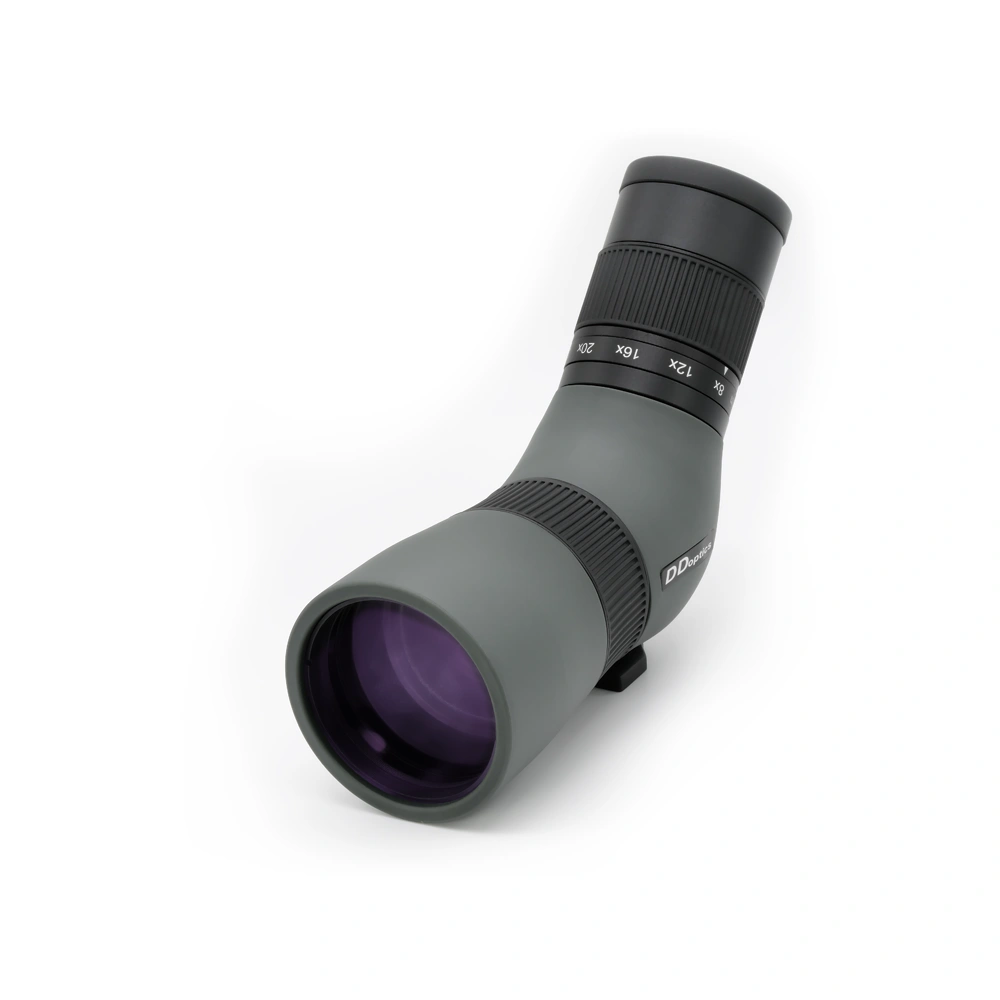
Very compact
ULTRAView ED 8–24x50 S
A handy model for observing the Moon and bright celestial objects, and for travel. Angled viewing makes it easier to observe objects higher in the sky.
View product
Astronomy with a spotting scope
For astronomical observation, a clean image, high resolution and minimal colour fringing are essential. DDoptics offers three well-defined options: the SHG 85 APO for demanding observers, compact ULTRAView ED spotting scopes, and Pirschler spotting scopes for an occasional look at the sky.
Good chromatic correction reduces distracting colour fringes along bright edges, giving the edge of the Moon, planets and bright stars a cleaner, more defined appearance.
High magnification alone does not reveal more detail. What matters is the optical design, glass quality, coatings and precise alignment of the entire system.
A sturdy tripod is essential at astronomical magnifications. Even small vibrations can make it harder to see fine lunar structures or observe the rings of Saturn.
The first choice for demanding observers
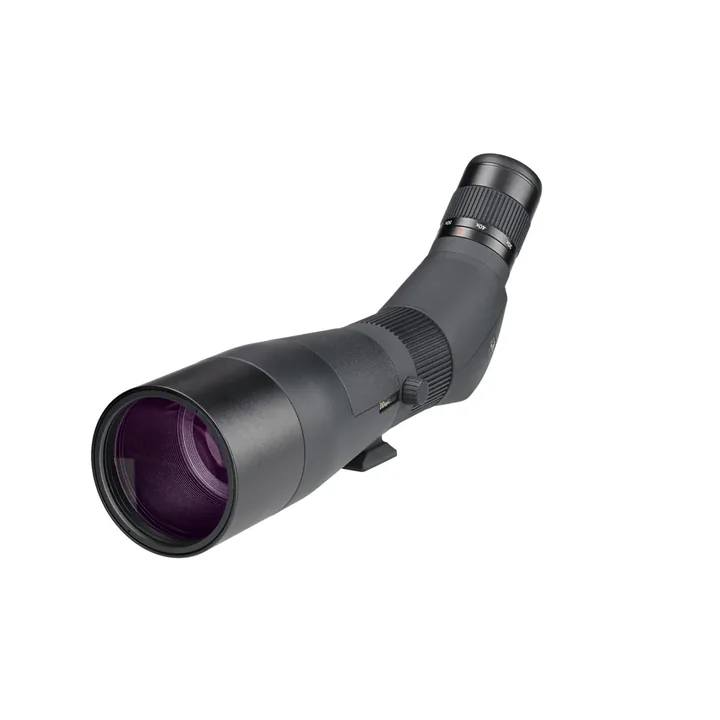
The large 85 mm objective gathers plenty of light, while the apochromatic ED design effectively corrects longitudinal chromatic aberration. This produces clearer bright points and strong contrasts with significantly less distracting colour fringing. Its high resolution makes the SHG particularly appealing for lunar detail, planetary observation and demanding digiscoping.
Compact, high-resolution and colour-corrected
The compact ULTRAView models combine ED objectives with high resolution and low weight. They are a good choice when you want a spotting scope that is quick to set up, easy to transport and suitable for both the night sky and nature observation.
Very compact
A handy model for observing the Moon and bright celestial objects, and for travel. Angled viewing makes it easier to observe objects higher in the sky.
View product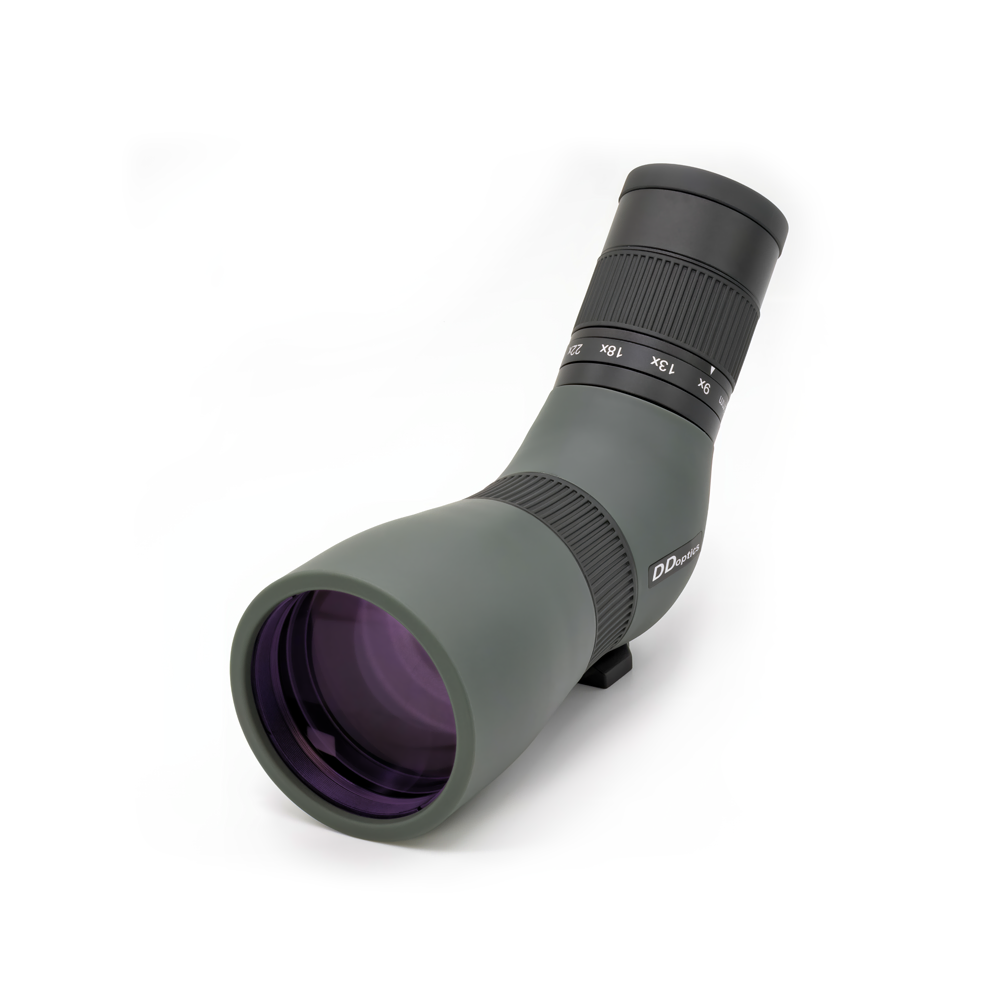
More light-gathering capacity
A 56 mm objective and ED glass strike a balance between brightness, detail resolution and compact dimensions.
View product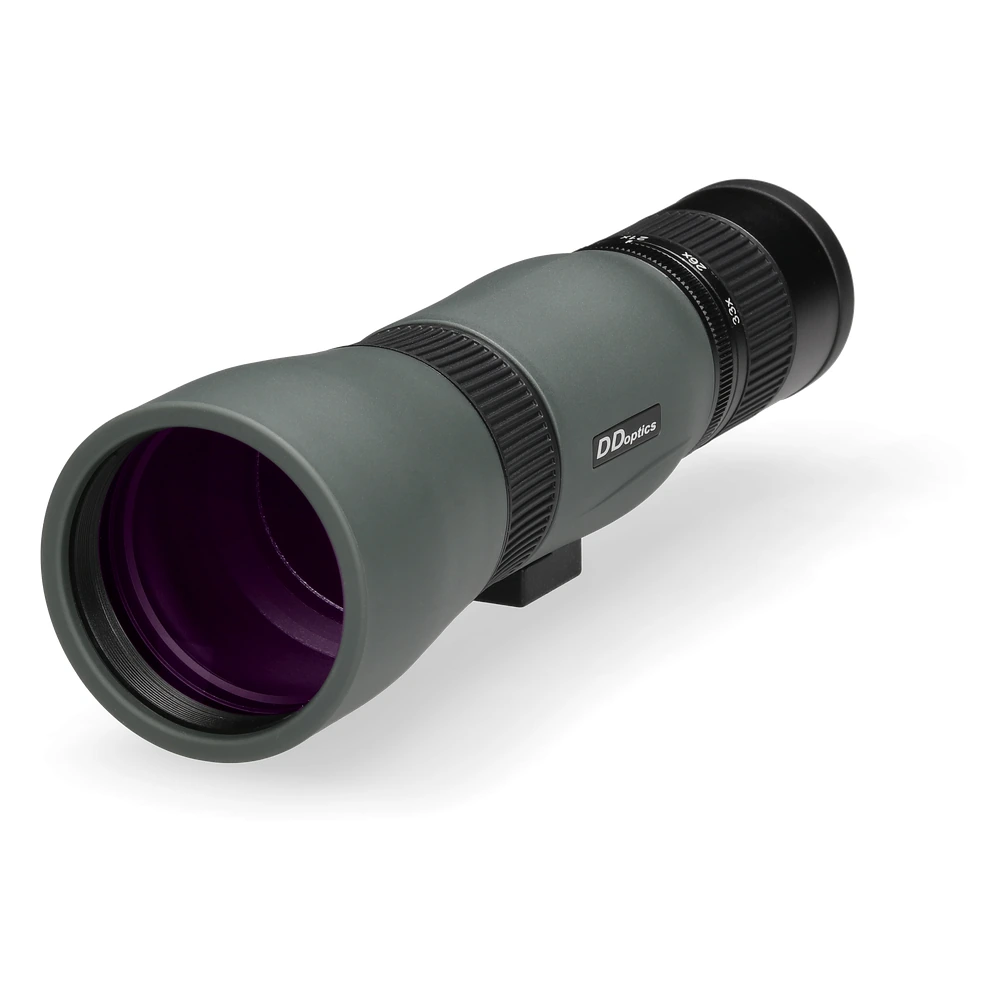
Up to 33x magnification
The higher maximum magnification helps reveal fine detail. Straight viewing is particularly suited to quick, intuitive alignment.
View productFor occasional skywatching
Pirschler spotting scopes are primarily rugged instruments for nature observation and hunting. They can nevertheless be used for an occasional look at the Moon or to make out the rings of Saturn. Since they do not have ED optics, bright points and strong contrasts show more colour fringing than with the ULTRAView ED or SHG APO.
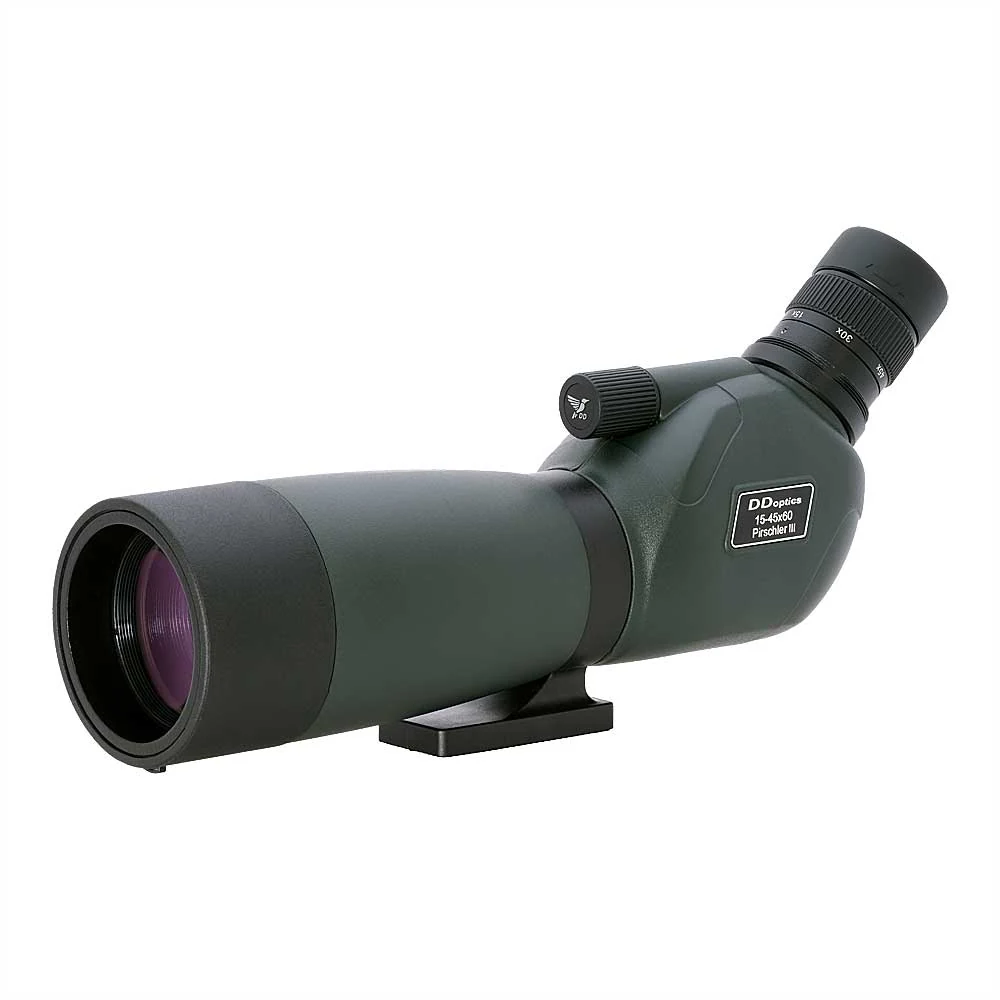
An easy introduction
A compact entry point for lunar observation and first impressions of the planets. Angled viewing is more comfortable for objects high in the sky.
View product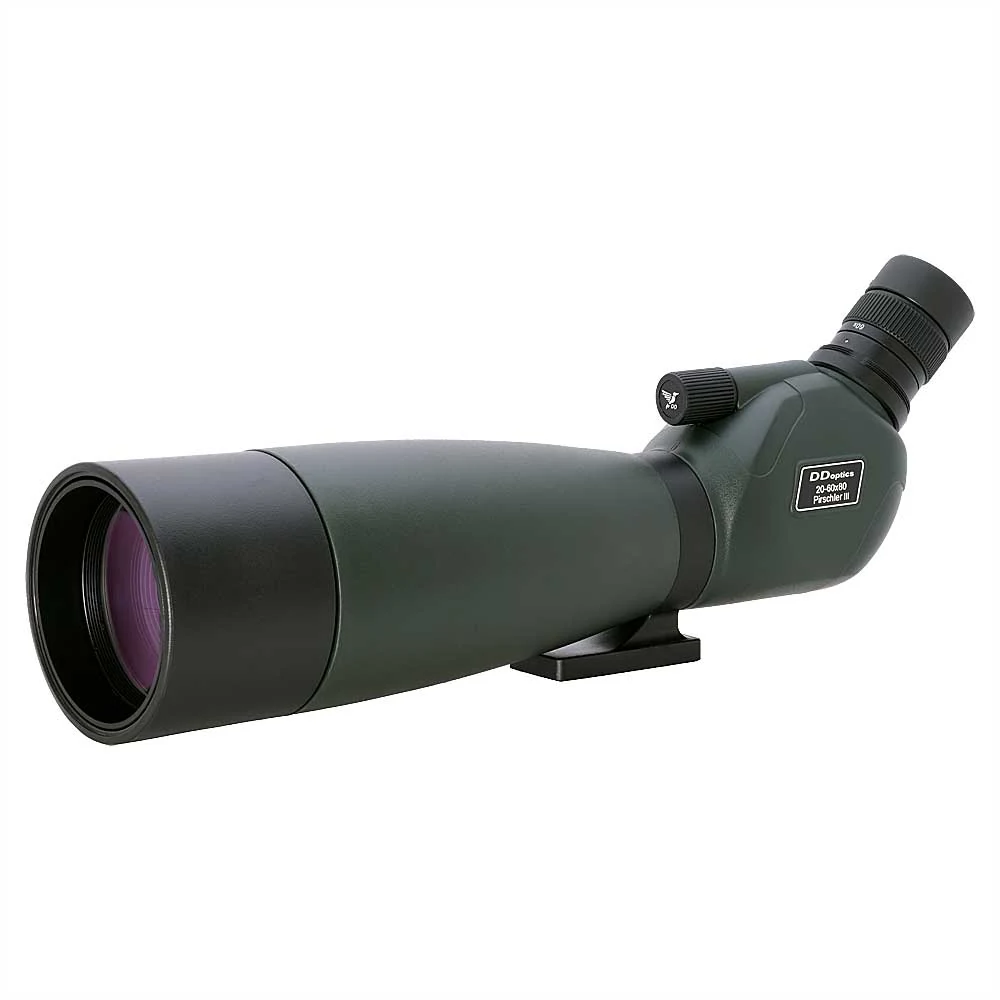
More aperture and magnification
The larger objective offers more light-gathering capacity and up to 60x magnification — good for occasional views of the Moon and bright planets.
View productFor demanding requirements in resolution, light-gathering performance and chromatic correction, and for more intensive lunar and planetary observation.
For mobile observers, travel and versatile use for both the sky and nature — compact, with minimal colour fringing.
For beginners and occasional skywatching, when the spotting scope is mainly used for nature observation or hunting.
A spotting scope is particularly versatile and quick to use. For extreme magnifications and faint deep-sky objects, however, a dedicated astronomical telescope remains the more suitable choice.

Take photos and videos through your spotting scope
The universal smartphone adapter lets you photograph or record observations directly through the eyepiece. Capture images of the Moon, bright planets and special moments under the stars. The adapter has a universal design and can be used with all the spotting scopes shown here.
View smartphone adapterCompare for yourself before buying
Every observer experiences resolution, viewing comfort and handling a little differently. Use the DDoptics order-to-view service to compare your spotting scope under real conditions.
Order a spotting scope to view